
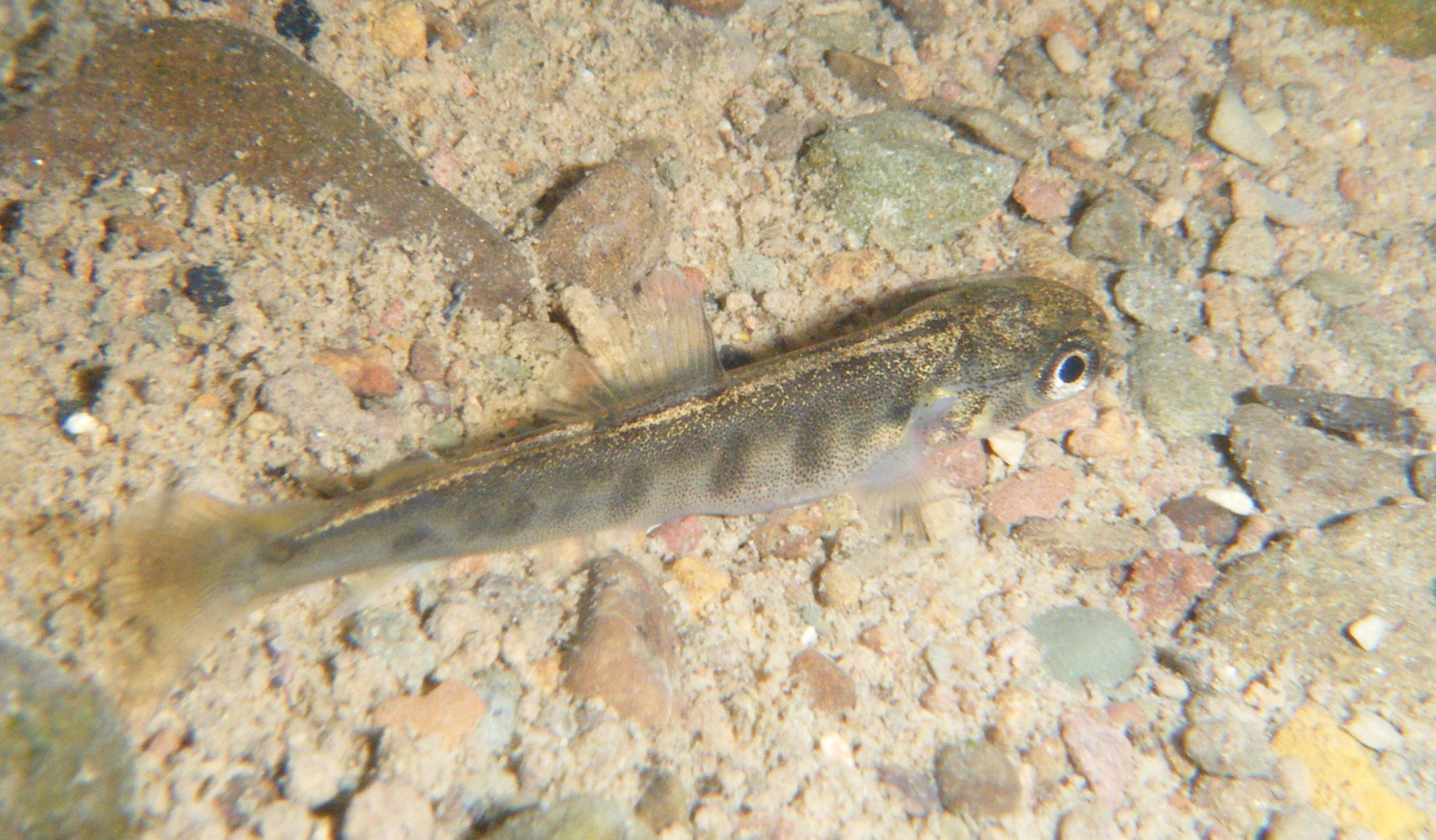
April and May are the peak time for sea trout smolt migration, when some young brown trout decide it is time to leave the river and go to sea. But what is a smolt? Denise Ashton explains.
Sea trout smolt migrations
Posted on May 10, 2021
Posted on May 10, 2021
April and May are the peak time for sea trout smolt migration, when some young brown trout decide it is time to leave the river and go to sea. But what is a smolt? Denise Ashton explains.
Posted on April 29, 2021

A number of pressures face fish and their habitats, but the fragmentation of natural river connectivity is understood to be one of the main causes of decline in freshwater fish species. Here, Amy Blaker, MSc student at Lancaster University, tells us more about her project in the Wyre catchment
Posted on April 20, 2021

Danielle Marchant, Early Career Researcher from Queen Mary University of London, tells us about her PhD work on plastic pollution in freshwaters
Posted on March 24, 2021

One of the most exciting and heartening aspects of our work is when ‘word of mouth’ contacts help to spread the love for rivers a little further. Here is such a tale from the Dales
Posted on March 22, 2021

Most of us are longing to escape to a river or lake and spend the day fishing, but with so much uncertainty around you might feel it is hard to plan to get away for more than a day. Why not use the Wild Trout Trust Auction map to help you find your escape?
The map can point to you to fishing days close to home - just zoom in and click the points on the map to go to the Lot description and bidding.
Posted on March 18, 2021

Sometimes as the catalogue lands on our member’s door mats, it inspires one or two to make a late donation. Just as exciting, just as valuable but not previously seen in the catalogue. List of 11 'Late Lots' below.
Bidding starts on the morning of Friday 19th and closes the evening of Sunday 29 March.
Posted on March 02, 2021

The Wild Trout Trust’s new TWIST (Transforming Waterways In Somerset Towns) project is an idea that aims to improve the health of urban rivers and streams in Cheddar, Wookey, Wookey Hole, Wells, Shepton Mallet and Croscombe.
Historically, most of the rivers which drain the hills around Somerset have been exploited for their water – first by mills, and then by towns which grew up around them. But far too often, these urban developments have left their rivers polluted, covered in concrete, broken up by weirs, and speeding water down to pinch points where flooding is even more of a problem.
Posted on February 05, 2021
Our rivers are fragmented by weirs, hydropower, culverts and fords that fragment waterways, isolate habitats and weaken wildlife populations. The AMBER programme is helping to re-connect hundreds of kilometres of rivers, improve fish migration, and develop tools to help manage European rivers in the future.
Posted on January 27, 2021

Continuing to process our flow of application responses (Thank you!) to our invitation to take part, we can now add some fantastic projects from the North of England to the list of officially accredited chapters.
This initiative was launched as part of the Urban River Conclave in Stalybridge (pictured above).
Posted on January 15, 2021

An update from Trout in the Town Programme Managers Theo Pike and Paul Gaskell :
After inviting urban river groups all over the country to apply for official accreditation with Trout in the Town we’ve been receiving a steady flow of applications for this exciting new endorsement.
Posted on December 14, 2020

Paul Gaskell, WTT's Trout in the Town Programme Manager for the north, gives an update on a partnership project on the River Trent, including 're-wiggling' the river at Staffordshire University.
Posted on December 04, 2020

Some timely advice on how to avoid catching out of season trout from WTT Volunteer, Kris Kent.
Kris works for Fishing Breaks, is a professional guide, an Advocate for Keep Fish Wet, a life member and long term supporter of the Wild Trout Trust.
Posted on November 02, 2020
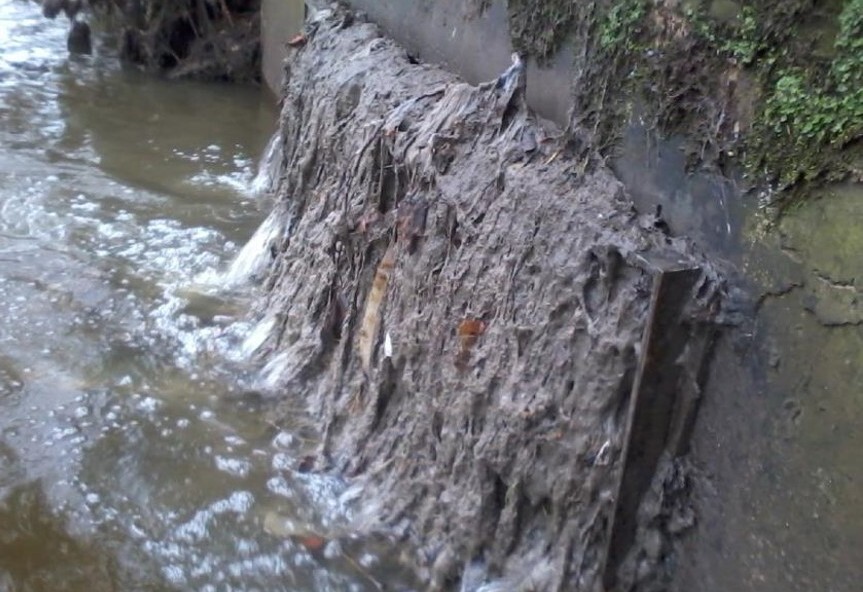
Updated April 2021 with the Panorama programme, update on the Philip Dunne bill, details of the evidence to the Environmental Audit Committee and a report by Salmon and Trout Conservation.
Updated January 2021 with the Defra task for announcement on sewage.
Posted on October 23, 2020

if you attended our Urban Conclave in Stalybridge last September, and saw the launch of WTT’s Trout in the Town Urban River Toolkit, you might remember that we also announced a new nationwide accreditation scheme for all our urban river groups.
Like so much else this year, this initiative has been held up by the Covid-19 pandemic, but we’ve now sent out accreditation forms to urban river projects all over the country.
Posted on October 19, 2020

Nidderdale Angling Club was the recipient of an advisory visit from WTT in 2011. That report resurfaced in 2018 and prompted several members of the committee to contact local Conservation Officer, Jonny Grey, to prioritise plans and initiate some action. Like many clubs, historic decisions to stock the river were being scrutinised, and votes were cast to divert money previously spent on adding fish, into habitat rehabilitation instead to nurture the wild fish populations more sustainably....