News

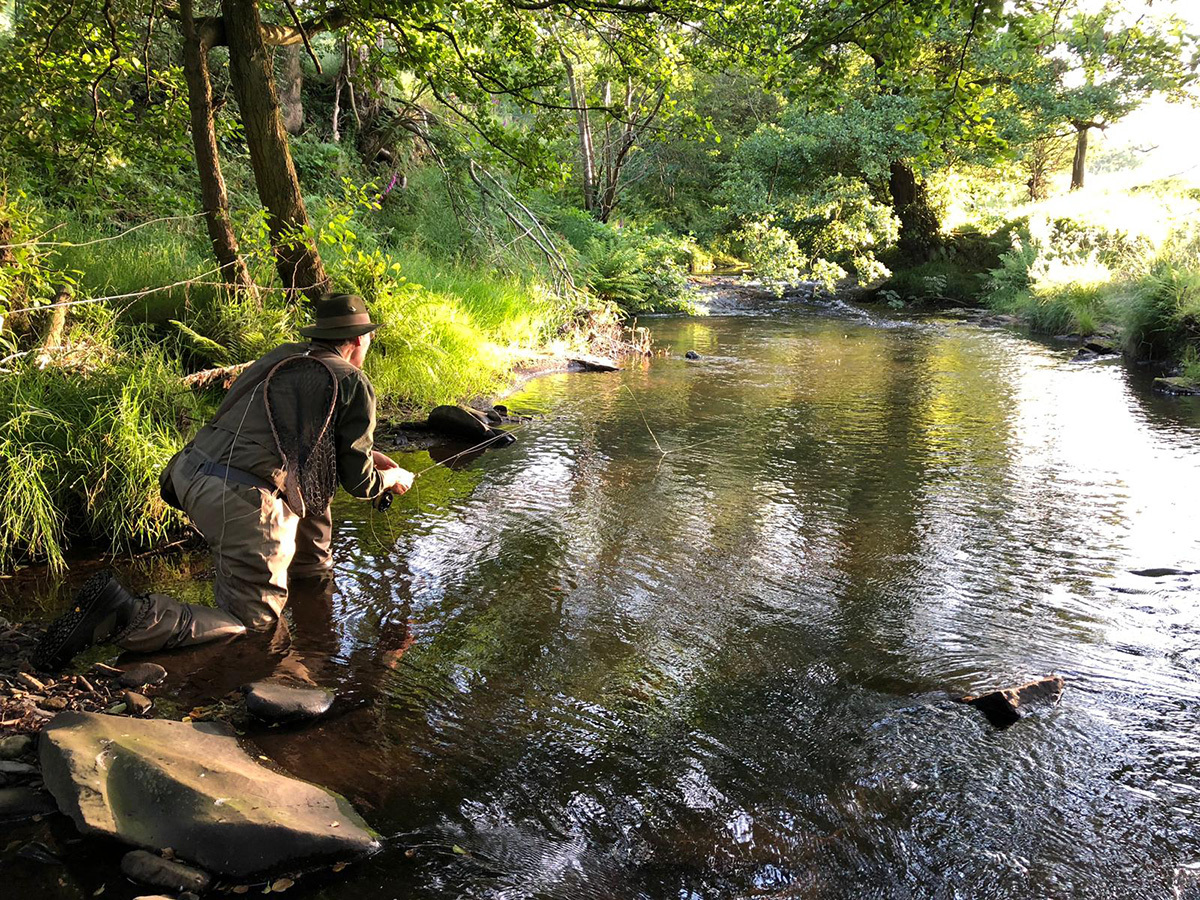
The Annual Get Together will take place on the banks of the River Dart, 8 & 9 June at the Dartmoor Training Centre, Princetown, Devon. This event is open to members and non members of the WTT.
Full details including booking form, click here.
The programme outline is:
Saturday morning: a number of talks to include a round-up of WTT’s year, case studies and plans for the future; catchment liming by Dylan Bright, Director of the West Country Rivers Trust; results to date from research at Stirling University on triploid brown trout research, and confessions of a one, one river fisherman by Nigel Ash oft he WTT and Dart Angling Association.
Saturday afternoon: a talk on 'invasive monsters' by Mike Clough followed by a walk along Dartmoor river reaches.
opportunity to share a drink to chat fish, and fishing, plus an auction.
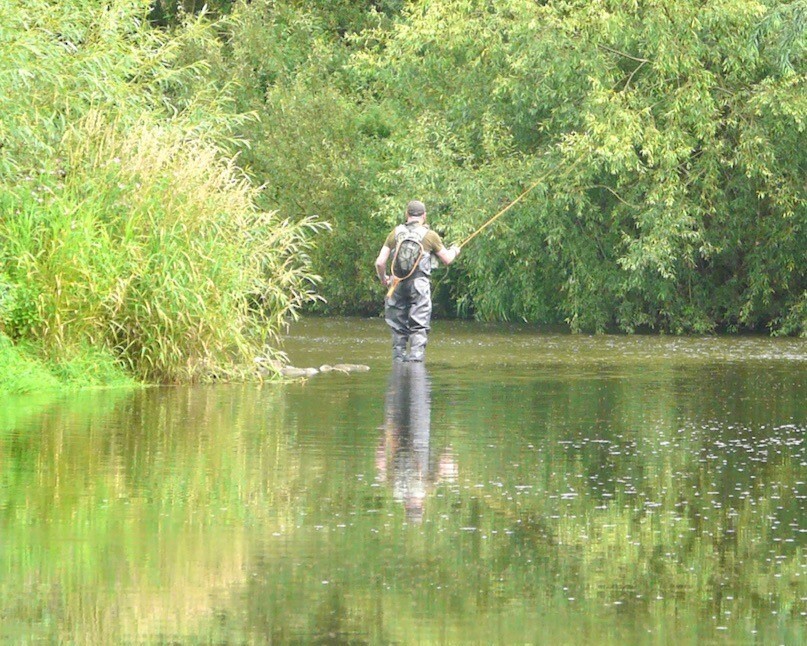
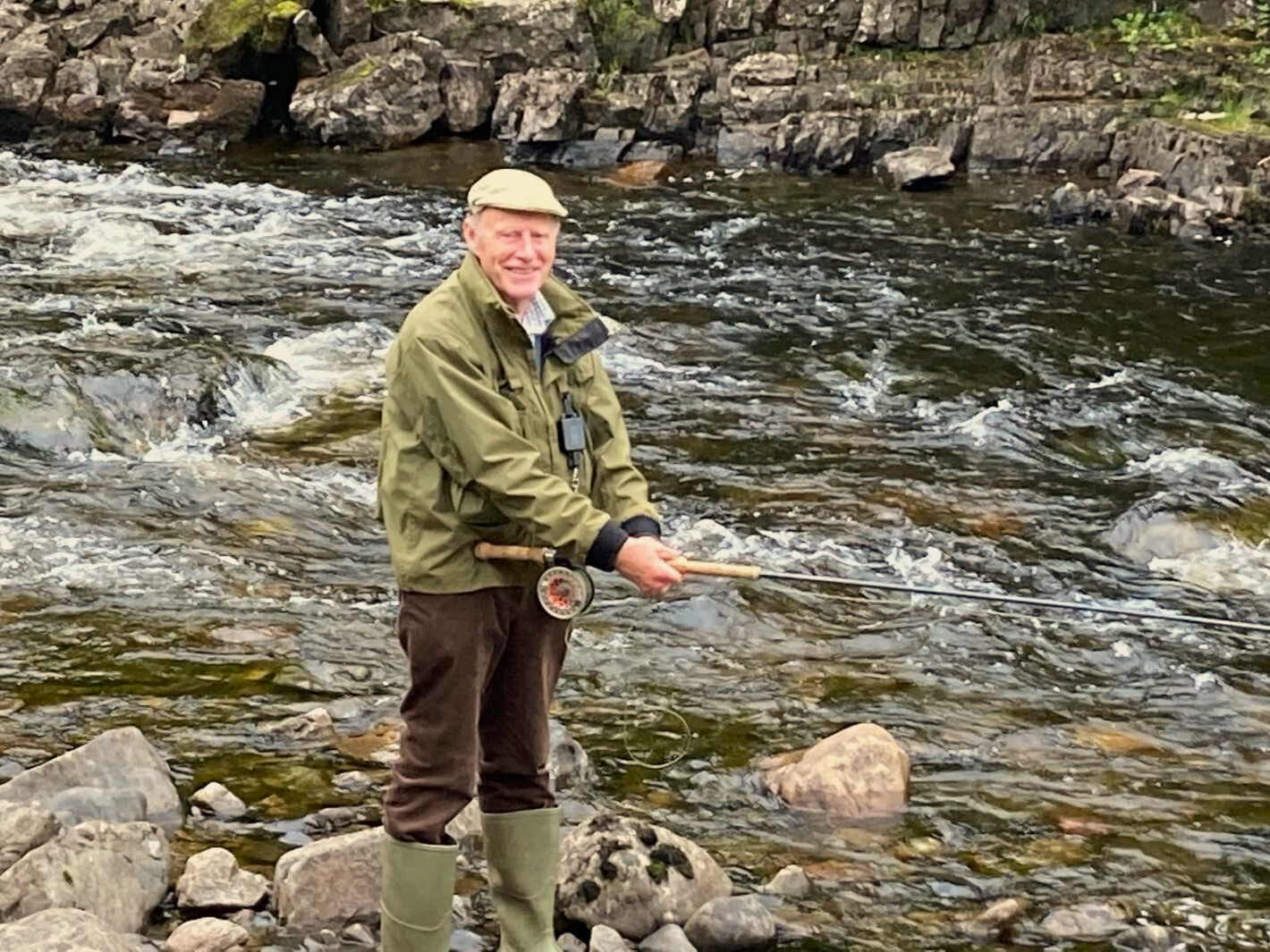
Sunday: Opportunities to fish the glorious River Dart and its tributaries on Dartmoor for a special concessionary rate of £5.00.
For more information on the Centre, click here: http://www.dartmoorcentres.co.uk/centres.html
The South East region Environment Agency's Fisheries team organise an annual Rivers Week where volunteers learn practical skills in river rehabilitation from the experts. These videos show the Wild Trout Trust demonstrating techniques on the Rivers Whitewaterand Blackwater in Hampshire, during the 2013 Rivers Week. The volunteers come from the Angling Trust, Hampshire and Isle of Wight Wildlife Trust, Sparsholt College Hampshire, University of Southampton, ADAS and local anglers.
You may need to click 'refresh' to see the video.
For more WTT videos, click to go to our video hub
Day 1, with an introduction from Martin Salter of the Angling Trust:
Day 2, narrated by Andy Thomas of the WTT
The Wild Trout Trust auction on eBay, which closed on March 14th , was a resounding success, with just under £55,000 raised. The money will be used help fund the Trust’s work to provide practical advice to fishing clubs and landowners to improve habitat for wild trout and sea trout.
Director Shaun Leonard said:
We are absolutely delighted by the response to the auction. My sincere thanks to the donors of the lots and to the purchasers who have won outstanding fishing for wild trout and a host of other species.
I must too thank all those involved with the non-fishing lots: the rod-makers, fly tiers, book writers, painters, plane fliers, shooters, stalkers and farmers who have added so richly to the success. A thought too for the many who bid but did not win - thank you and please try again in 2014. Wild brownies, sea trout and their habitat across the UK will be the beneficiaries of all your generosity!
Anyone who would like to donate a lot, or receive a copy of auction catalogue in March 2014 should contact Denise Ashton at dashton@wildtrout.org
If you would like to see the 2013 auction catalogue and auction lots map, click here.
Sea run brown trout stocks are under greater strain than their river dwelling counterparts (click here for more information).
A sea trout orignially tagged in the Tyne has been recaptured off the Dutch coast, only a dozen or so out of 1885 sea trout tagged on the Tyne have thus far been recaptured. To view the story, click here.
The WTT is seeking an individual to assist the WTT Director in the preparation of the annual business plan and budget and monitoring the progress of our various projects among other general administrative tasks.
This post is a part time (initially 2 days per week, reducing to approx 4 hours per week), 12 month contract with a salary of approximately £5000 p/a.
Expressions of interest should reach us by 5pm on 22.4.13; short-listed candidates will be contacted with details of any interview process. For more information, please click on the bold green link below:
The status of different brown trout strains, particularly those of the Irish Loughs, has been a source of contentious debate in the fisheries science world since the early seventies. For a more detailed understanding of this debate as it applies to ferox trout, view the WTT's ferox page by clicking here.
Recently, the IUCN (International Union for the Conservation of Nature) has reclassified sonaghen trout as a species in it's own right. This would have significant consequences for the conservation of brown trout allowing targeted conservation efforts aimed at particularly endangered species.
To view the IUCN sonaghen page, click here.
The Lincolnshire Wolds AONB website has recenlty been revamped. The wolds are home to some pristine chalkstreams which hold good populations of wild brown trout. For more information, click the link below.
The WTT has carried out a number of AVs and projects in Lincolnshire. To view advisory visits in Lincolnshire, click on the projects map.
A recent study has found that migratory fish are less susceptible to predation by piscivorous birds like cormorants. The study involved partially migratory populations of roach and suggests that winter migrations from still waters to rivers and streams make roach safer from predation. This adds weight to the arguments that good quality habitat and connectivity are vital for healthy fish populations. For WTT advice on habitat restoration and connectivity measures, click here.
To view a free abstract click here.
The Winter issue of the Wester Sutherland Fisheries Trust Newsletter is out. The newsletter features a news item on the recent Mayfly in the Classroom (MiC) workshop held in Morayshire by the WTT.
A number of the Fisheries Trusts will trialling MiC in Scotland which is a first for the programme.
If you are interested in holding similar workshops in your area, please contact the trust at btyser@wildtrout.org.
For free MiC material, click here.
To view the newsletter, click the link below:
West Sutherland Fisheries Trust February 2013.
Following on from his article and radio programme, Stuart Crofts has teamed up with Fly Fishing Lessons TV to make a video explaining how anglers, angling clubs/associations and everyone who is involved in the world of angling can help to protect our waters from the endless threats posed by invasive non-native species (INNS) in Great Britain.
This advice is really simple and straightforward - follow it !
For further information on INNS, please see the INNS section in the WTT library (click here to be redirected)
Refresh the page if the video does not appear.